Ngara Community Empowerment Project
In 2022; the project still works in
Bukirilo, Bugarama and Muganza
Wards, covering 10 villages of
Bukirilo, Nyabihanga, Murulama,
Mumuhamba, Bugarama,
Rwinyana, Mumilamila, Muganza,
Mukubu and Mukalinzi. The thematic
focus area was on; sustainable
livelihood, Climate change, Gender
justice, Sexual Reproductive Health
and Rights.
Project achievements
TCRS supported VICOBA activities to communities as a sustainable way to empower economically and improving livelihoods. The project managed to mobilize 9
more groups, that has led to an increment
of CMGs from 53 (2021) to 62 (2022).; 91(6%) members
have bought cow, 741(48%) have purchased
small animals (goats, sheep and pigs), 36 (2%)
bought motorcycles, 62 (45) bought bicycles,
294 (19%) bought new plots of land/farm and
204 (13%) have constructed new houses.
Ngara CEP is financially supported by the Act Church of Sweden and the Evangelical Lutheran Church in America. The projects intended to address the challenges of poverty, Gender inequality and Climate change.
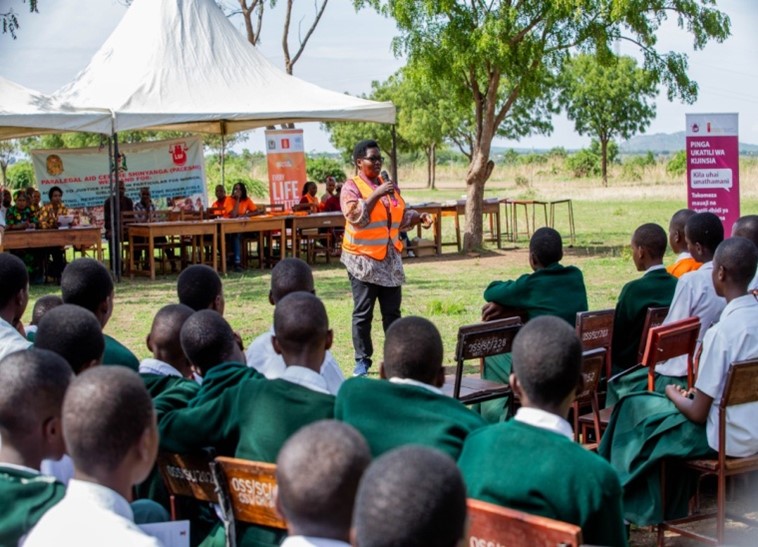
Awareness of Gender Justice has remained a key activity for years in Ngara. This has been achieved through various training, advocacy, and campaigns provided by the project.
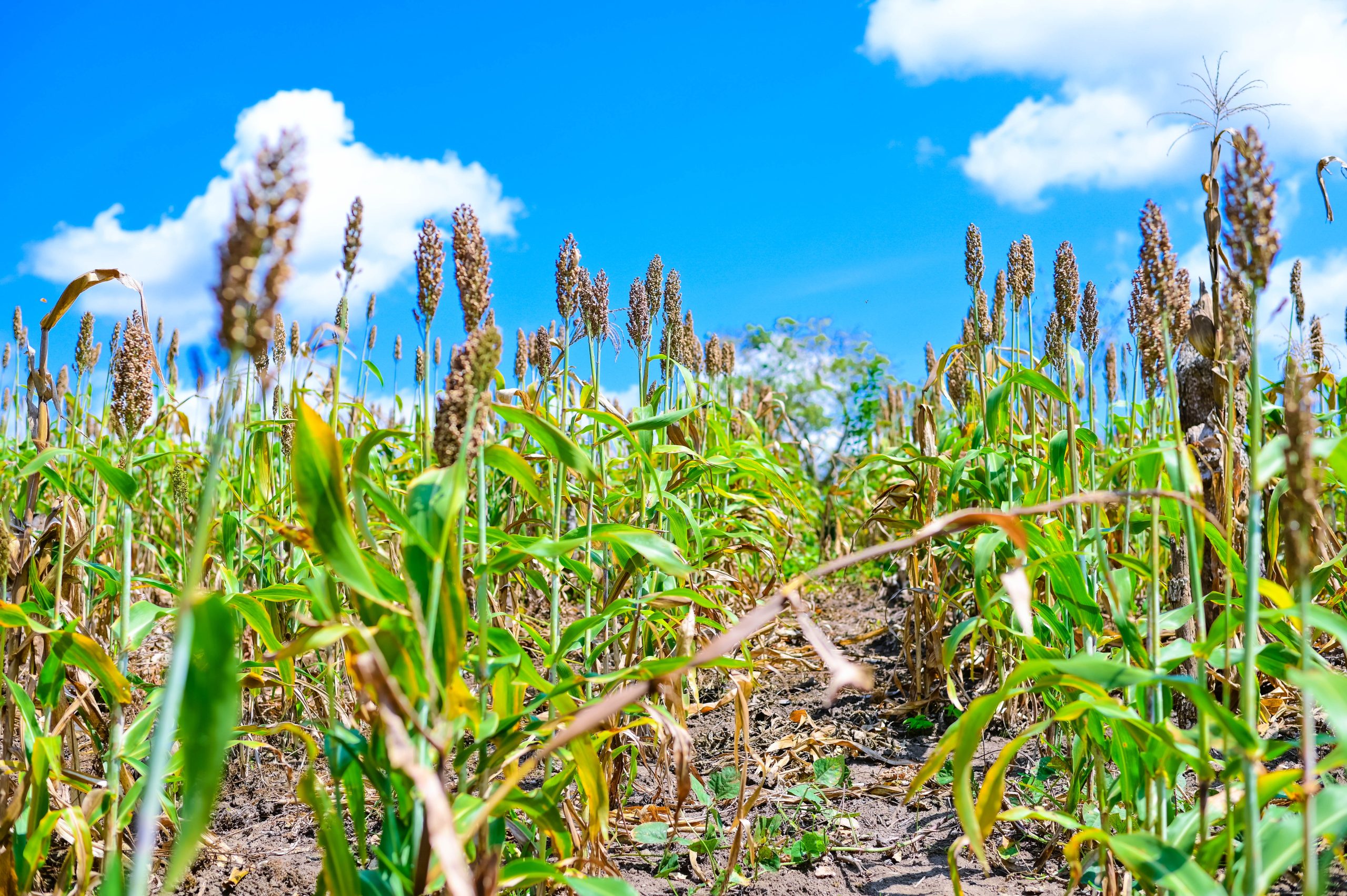
Climate Change Adaptation and Mitigation - In order to empower the community to understand and participate fully in environment protection, climate change adaptation and mitigation activities.